How to Prevent Seasickness on a Whale-Watching Boat in Samaná
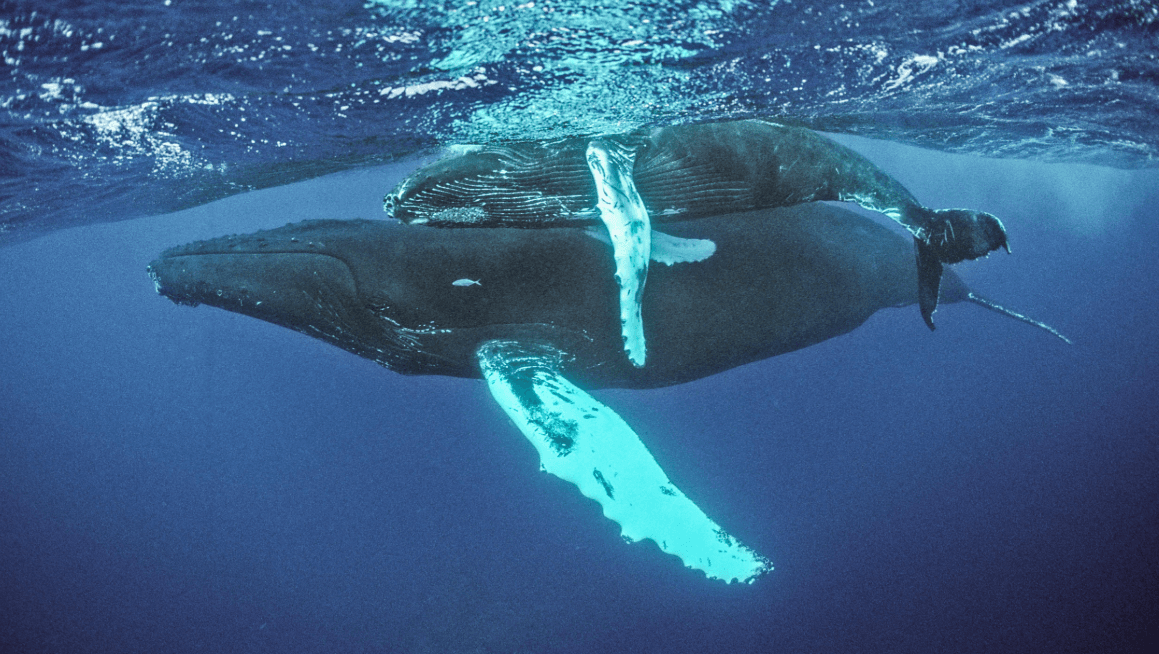
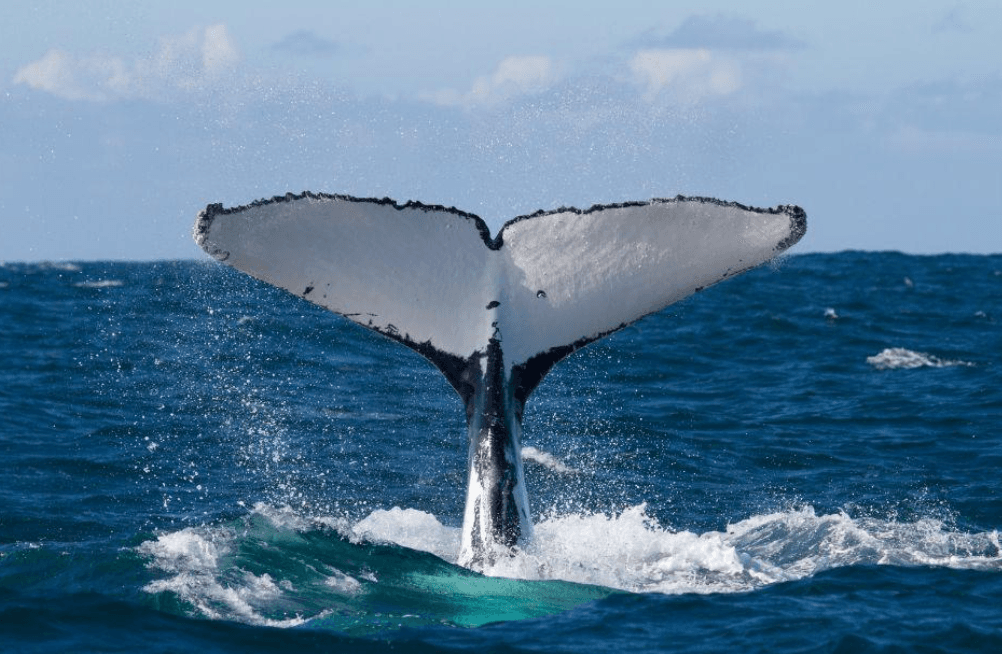
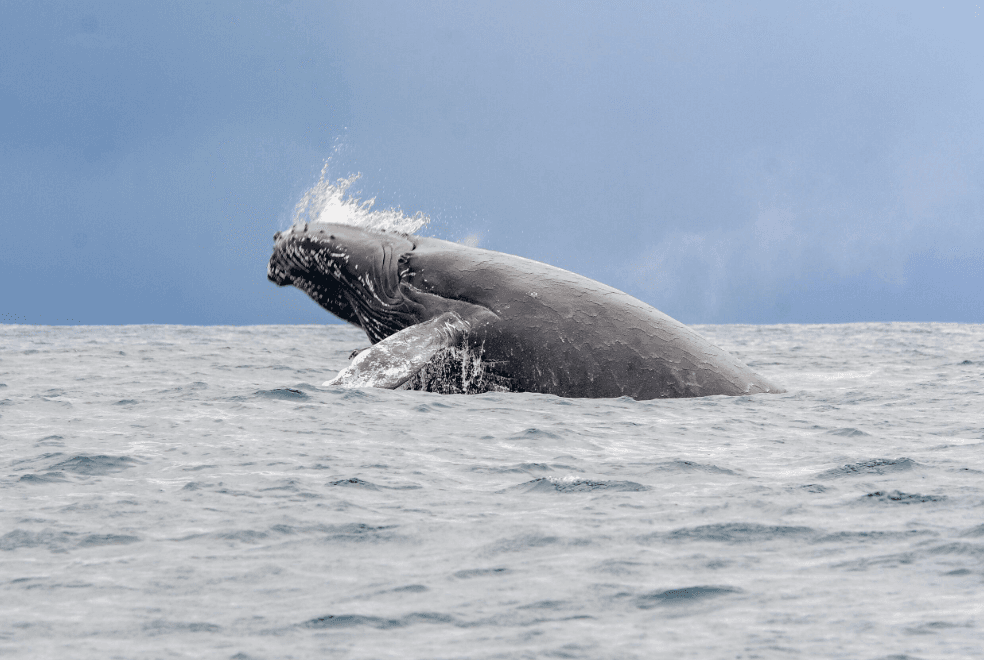
Whale watching in Samaná, Dominican Republic, can be a memorable way to experience the Caribbean's marine wildlife. During the humpback whale season, visitors travel across Samaná Bay hoping to see whales surface, raise their tails, or breach above the water.
However, spending time on a moving boat can be uncomfortable for some travelers. Seasickness may develop when the movement of the boat conflicts with the signals your brain receives from your eyes and inner ears. Symptoms can include nausea, dizziness, sweating, fatigue, and vomiting.
The good news is that preparation can help many travelers manage motion sickness and enjoy their excursion more comfortably.
This guide explains how to prepare before departure, what to do if you begin feeling unwell, and how to discuss motion-sickness remedies safely before your whale-watching trip in Samaná.
What Causes Seasickness During Whale Watching?
Seasickness is a form of motion sickness. It can happen when your body senses the movement of a boat while your eyes focus on something that appears relatively stationary, such as the inside of the vessel.
The movement of the boat may become more noticeable when the water is choppy or the vessel repeatedly rises and falls with the waves.
People respond differently to motion. Some can spend hours on a boat without discomfort, while others may develop symptoms during a relatively short journey.
You may be more concerned about seasickness if you have experienced motion sickness in cars, buses, aircraft, or other boats. However, previous experiences do not predict every future trip.
Understanding your own sensitivity can help you prepare before boarding.
1. Prepare Before Your Whale-Watching Excursion
One of the most useful steps is to think about seasickness before you arrive at the departure point.
If you know that you are prone to motion sickness, research your options in advance rather than waiting until symptoms begin.
Consider the following preparations:
- Get adequate rest the night before your excursion.
- Eat a light, familiar meal before departure if that suits your needs.
- Drink water regularly and avoid beginning the trip dehydrated.
- Ask the tour operator about the expected duration of the boat journey.
- Check the forecast and ask the operator about anticipated sea conditions.
- Speak with a pharmacist or healthcare professional about suitable preventive options if you have experienced significant motion sickness before.
Avoid making last-minute decisions about medication without understanding its instructions, possible side effects, and suitability for you.
Preparation cannot guarantee a symptom-free trip, but it can help you feel more confident about managing the journey.
2. Choose Your Seat Carefully
Where you sit may influence how much boat movement you experience.
On many vessels, movement can feel more pronounced toward the front or rear than near the middle. If the boat has a suitable seat near its center, that may be worth considering.
Ask the crew where passengers who are prone to seasickness should sit. The best location depends on the vessel's design, seating arrangement, and sea conditions.
Whenever possible, choose a seat where you can remain comfortably seated and look outside.
Do not move to a different part of the boat while it is moving unless the crew confirms that it is safe to do so. Your safety and balance should always come first.
3. Look at the Horizon
Looking at a stable point in the distance may help some people manage motion sickness.
If you begin to feel uncomfortable, try looking toward the horizon rather than focusing on the floor, your phone, or objects moving around the boat.
Keep your head reasonably still and give your eyes a chance to adjust to the wider view.
This technique does not work equally well for everyone, and it may not be sufficient when seasickness is severe. Nevertheless, it is a simple strategy that does not require special equipment.
You can also take breaks from reading, looking at photographs, or using your phone, since close visual tasks may worsen symptoms for some travelers.
4. Eat Sensibly Before Boarding
Food choices can affect how comfortable you feel before and during a boat trip.
Arriving very hungry may be uncomfortable, but eating a large, heavy meal immediately before departure may also be unhelpful for some people.
Consider a light meal or familiar snack that you normally tolerate well. Avoid foods that you know tend to upset your stomach.
Alcohol can worsen dizziness and may increase the risk of dehydration, so avoiding it before and during the excursion is a sensible precaution.
There is no single meal that prevents seasickness for everyone. Choose food based on your own tolerance, dietary needs, and any medical advice you have received.
5. Stay Hydrated
Spending time outdoors in the Dominican Republic can mean exposure to heat, sun, and humidity. Drinking water regularly can help prevent dehydration, which may make you feel worse if you are already unwell.
Bring water if the tour operator permits it, and ask whether drinking water is provided.
If you develop nausea, try small, frequent sips rather than drinking a large amount at once.
If you experience repeated vomiting, you may struggle to keep fluids down. Seek medical advice if symptoms are severe or persistent, particularly if you show signs of dehydration.
Hydration is useful for general comfort, but it is not a guaranteed treatment for motion sickness.
6. Get Fresh Air When It Is Safe
Some travelers find fresh air helpful when they begin feeling nauseated.
If the vessel has a well-ventilated area where passengers can sit safely, moving there may make you more comfortable. Avoid areas with strong fuel smells, cooking odors, or other unpleasant scents if these seem to trigger your symptoms.
Do not stand up or walk around a moving boat without checking with the crew. If the sea is rough, remaining seated in a secure location may be safer than attempting to move.
Follow the captain's instructions about where passengers are allowed to sit or stand.
7. Consider Motion-Sickness Remedies Before Traveling
Several approaches are marketed or used to help prevent motion sickness, including medicines and non-medication techniques. The most suitable option depends on your health, age, medications, and previous reactions.
If you expect to need medication, ask a pharmacist or healthcare professional before the trip. Some medicines work best when taken before motion begins, so timing may matter.
Certain motion-sickness medicines can cause drowsiness, blurred vision, or other side effects. They may also interact with other medications or be unsuitable for some medical conditions.
Do not combine remedies or exceed the recommended dose in an attempt to guarantee a comfortable trip. Follow the product instructions and professional advice.
What about ginger or acupressure bands?
Some travelers try ginger products or acupressure wristbands. Evidence for their effectiveness varies, and they should not be treated as guaranteed protection against seasickness.
If you wish to try one of these options, check that it is appropriate for you, especially if you take medication or have an existing medical condition.
If you have a history of severe motion sickness, ask a healthcare professional about a reliable prevention plan rather than relying entirely on home remedies.
8. Avoid Reading or Looking at Your Phone for Long Periods
Using a phone, reading a book, or looking at small objects inside the boat may worsen motion sickness for some passengers.
These activities require close visual attention while your body continues to sense the boat's movement.
If you begin to feel uncomfortable, put your phone away and look at the distant horizon. Try to keep your head still and focus on your surroundings.
You can take photographs when you feel comfortable, but you do not need to record every moment of the excursion.
Sometimes, simply putting the screen away and resting your eyes can make the trip easier to manage.
9. Tell the Crew if You Start Feeling Unwell
Do not feel embarrassed about telling the tour crew if you begin experiencing nausea or dizziness.
The crew may be able to suggest a more suitable seating position or explain where you can sit safely. They can also tell you what options are available if you need assistance.
Inform them early rather than waiting until you feel significantly worse.
If symptoms become severe, follow the crew's safety instructions. Do not move to an exposed part of the boat or lean over the side without guidance.
If you feel faint, confused, unusually weak, or unable to keep fluids down, seek appropriate medical assistance.
10. Check Sea Conditions Before Booking
Weather and sea conditions can influence the comfort of a whale-watching trip. Wind, waves, and the movement of the vessel may make some excursions more challenging for travelers prone to seasickness.
Before booking, ask the operator about the expected duration, departure time, and their policy when conditions are unsuitable.
A calm forecast does not guarantee perfectly smooth water, and conditions may change during a trip.
If you are particularly sensitive to boat movement, explain this when making your reservation and ask whether the operator can advise you about the typical conditions for the planned excursion.
Do not assume that a smaller boat will necessarily be more comfortable. Vessel design, the sea state, and seating arrangements can all influence how movement feels.
11. Know When to Reconsider the Trip
For most travelers, seasickness is uncomfortable rather than dangerous, but severe symptoms can interfere with the excursion and increase the risk of dehydration.
If you have experienced severe motion sickness previously, speak with a healthcare professional before planning a long boat journey.
You may also want to discuss whether a shorter excursion or a different wildlife-viewing activity would be more appropriate.
If you become unwell during the trip, tell the crew and follow their instructions. Do not attempt to manage severe symptoms alone.
Seek urgent medical attention for serious warning signs such as fainting, confusion, severe or persistent symptoms, or an inability to retain fluids.
Choosing an alternative activity is a reasonable decision if a boat trip is unlikely to be comfortable or safe for you.
A Simple Seasickness Preparation Checklist
Before leaving for your Samaná whale-watching trip, review this checklist:
- Get enough rest.
- Eat a familiar, light meal if appropriate.
- Drink water and plan to stay hydrated.
- Ask the operator about the duration and expected sea conditions.
- Ask the crew where to sit if you are prone to motion sickness.
- Discuss preventive medication with a pharmacist or healthcare professional when appropriate.
- Keep your phone and reading materials away if they make you feel unwell.
- Follow crew instructions and tell them promptly if symptoms develop.
Preparation can reduce uncertainty, even though no method can eliminate the risk of seasickness completely.
Frequently Asked Questions
How can I prevent seasickness while whale watching in Samaná?
Preparation may help. Get adequate rest, stay hydrated, consider a light meal, look toward the horizon, avoid prolonged phone use if it triggers symptoms, and ask a healthcare professional about suitable preventive options if necessary.
Should I take seasickness medicine before the boat trip?
Some motion-sickness medicines are intended to be taken before travel, but the appropriate choice and timing depend on the product and your individual circumstances. Ask a pharmacist or healthcare professional and follow the instructions carefully.
Is it better to sit at the front or back of a whale-watching boat?
Movement can feel different in different parts of a vessel. A seat near the center may feel more stable on some boats, but the best choice depends on the vessel and conditions. Ask the crew for advice.
Does ginger prevent seasickness?
Some people use ginger for nausea, but its effectiveness for preventing motion sickness is uncertain. It should not be considered a guaranteed solution or a substitute for appropriate medical advice.
Can I still go whale watching if I get motion sickness in cars?
Possibly. Sensitivity varies between people and situations, so car sickness does not mean you will necessarily experience severe seasickness. If you have a history of significant motion sickness, plan ahead and discuss prevention options with a healthcare professional.
What should I do if I feel sick during the excursion?
Tell the crew, sit in a safe location, look toward the horizon if that helps, and avoid reading or using your phone. Seek medical assistance if symptoms are severe or persistent.
Final Thoughts
Seasickness does not have to be the first thing you worry about when planning whale watching in Samaná. A little preparation, sensible onboard habits, and a plan for managing symptoms can help you approach the excursion with greater confidence.
Choose your seat carefully, stay hydrated, take breaks from screens, and ask the crew for help if you feel uncomfortable. If you have a history of significant motion sickness, discuss preventive options with a healthcare professional before traveling.
Most importantly, listen to your body and prioritize safety. A comfortable, well-planned excursion gives you a better opportunity to enjoy Samaná Bay and its remarkable humpback whales.

Local explorer & expert guide in Samaná Whale Sanctuary.